As summer temperatures continue to rise to uncomfortable levels across India, air conditioners provide welcome relief. However, air conditioners also lead to ballooning electricity bills that strain household budgets. With solar energy adoption accelerating across the country, solar-powered air conditioning presents an eco-friendly and cost-effective alternative.
In this blog, we will explore how solar air conditioners work, their benefits, government incentives, and provide tips on how to select the right solar AC unit for your home.
How Do Solar Air Conditioners Work?
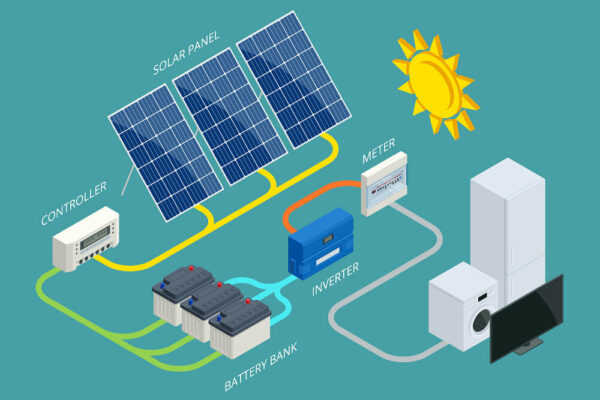
Solar air conditioning systems are powered by electricity generated from rooftop solar panel systems rather than the electrical grid. Most solar ACs available in India consist of regular air conditioning units connected to a rooftop solar photovoltaic (PV) system and batteries for power storage.
During the day, the solar panels convert sunlight into electricity to power the air conditioner. Any excess electricity generated gets stored in the batteries. After sunset, the stored solar energy powers the AC unit. Even during cloudy days or power outages, the batteries provide uninterrupted cool air.
With smart inverters and optimizing algorithms, solar ACs efficiently manage the energy consumption aligning with solar power generation. By maximizing solar energy utilization during the day and minimizing grid dependence at night, solar-powered ACs provide round-the-clock cooling at near-zero electricity costs after the initial investment.
Benefits of Solar Air Conditioners
Installing a solar AC system brings numerous benefits, including:
- Lower Electricity Bills
By using solar energy to run the AC during the daytime, households can reduce their electricity bills by 50-80%. Solar ACs pay for themselves within 3-5 years through these savings.
- Uninterrupted Cooling
As solar ACs store excess solar energy in batteries, they provide 24×7 air conditioning even during grid power outages common in summer. This energy independence brings great comfort during extreme heat.
- Reduced Carbon Footprint
By replacing grid electricity with renewable solar energy, solar ACs reduce associated greenhouse gas emissions. This low-carbon solution helps fight climate change.
- Customizable System Sizing
Solar AC systems can be easily scaled up by adding more solar panels, batteries or multiple AC units to match household requirements and budgets. Additional panels also future-proof the system.
Government Incentives
To accelerate solar energy adoption, central and various state governments offer generous incentives for households installing rooftop solar systems including:
- Central Financial Assistance of 40% of the benchmark cost for rooftop solar systems up to 3 kW capacity
- Accelerated depreciation of 40% on taxes in the first year of solar system installation
- Exemption from customs duties on imported solar panels and components
- Net and gross metering policies enabling sale of excess solar power to utilities
- Property tax and electricity duty waivers in states like Gujarat, Maharashtra and Telangana
Solar-powered ACs further maximize these benefits by consuming the solar power generated on-site. The savings achieved make the systems affordable for residential users.
Tips for Selecting the Right Solar AC
Here are some tips on choosing the best solar air conditioner for your home:
- Conduct an AC load calculation to determine the cooling capacity required for your rooms
- Select an inverter AC model for higher energy savings compared to fixed-speed ACs
- Choose an AC unit with good energy efficiency (BEE 3-star and above) to reduce solar system sizing
- For a new building, integrate solar PVs into the construction design for improved aesthetics at lower cost
- In an existing building, pick a south-facing roof area with minimal shading for installing the solar panels
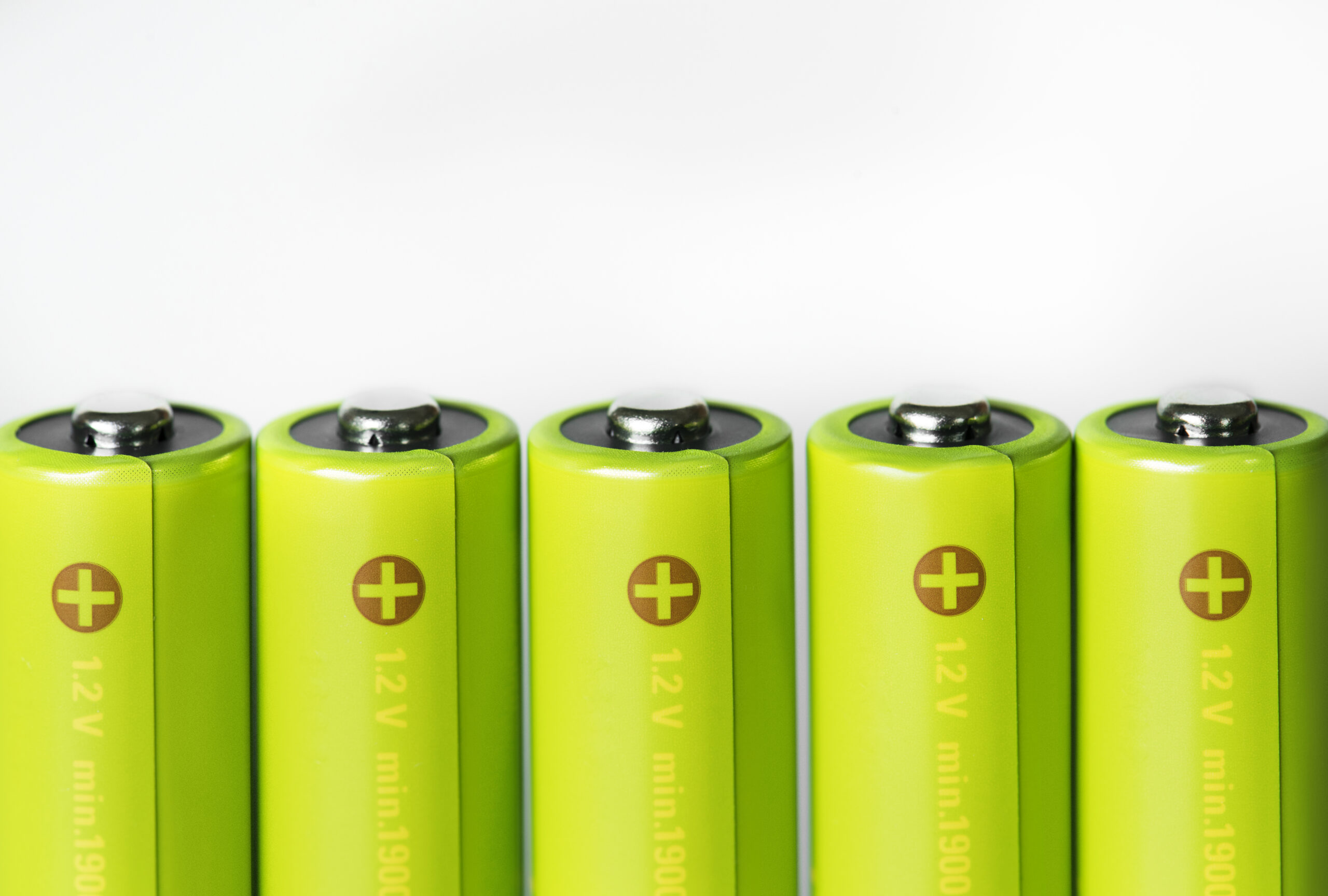
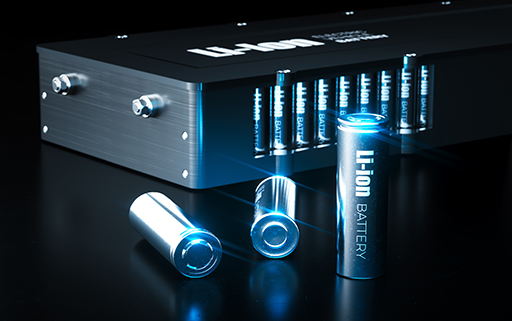
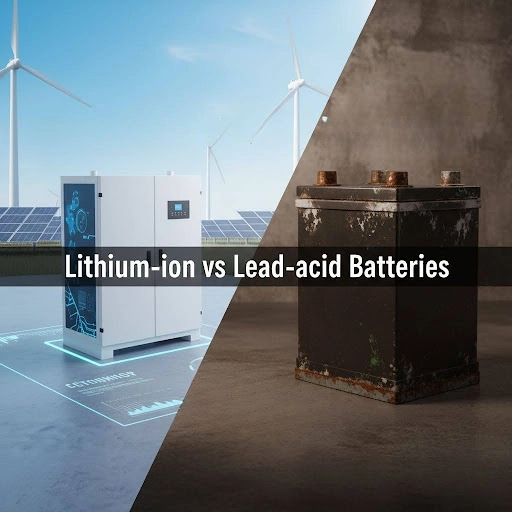
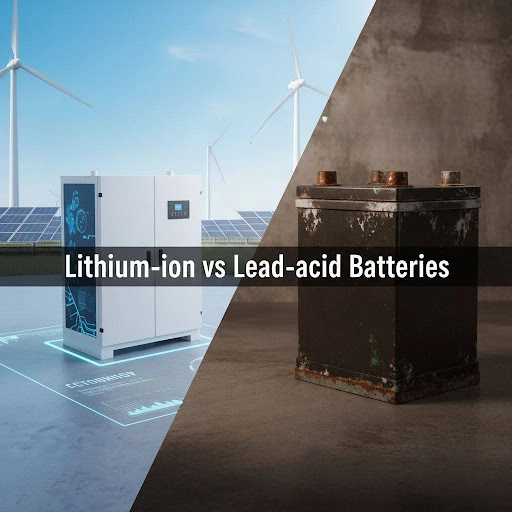
- Opt for lithium-ion batteries that provide longer lifespans with deeper discharge capabilities
- Work with a reputable solar installer to professionally design and set up the system for maximal efficiency
Evolving Solar Air Conditioning Technologies
As solar energy adoption expands globally, intensive research is underway to make solar cooling systems more efficient and affordable. Various innovative solar AC technologies show promise for the Indian market.
Solar Thermal ACs
Solar thermal ACs use rooftop solar heat concentrators and thermal collectors to provide heating and cooling without electricity. In this design, solar thermal energy heats and pressurizes refrigerant gas which then loses heat indoors providing air conditioning. Such systems can theoretically provide 2kW of cooling per 10 sqft of collector area. Pilot models tested internationally demonstrate encouraging capacity for residential applications.
Solar Assisted Heat Pumps
An emerging concept utilizes solar photovoltaic electricity to power heat pumps integrated into air conditioning units. Solar PV-sourced electricity activates the refrigerant compression cycle for cooling while also providing pre-heating capabilities in winter. Smart controls maximize utilization of ambient thermal energy minimizing external electricity needs. With moderate local R&D, such solar-boosted heat pump ACs can suit Indian climates.
Solar Vapor Absorption Systems
Vapor absorption refrigeration uses sustainable natural refrigerants like water and ammonia instead of synthetic gases in solar ACs. Water or lithium bromide solution absorbs vapors from evaporated refrigerants providing cooling. Improved system designs with corrosion-resistant materials can enhance efficiency. Their non-mechanical nature also reduces maintenance issues relative to compressor units.
As leaders in solar solutions, Waaree offers high-quality solar panels, modern AC units, advanced batteries and specialized solar AC. By harnessing solar energy for air conditioning using our innovative products, households across India can beat the heat in an affordable and sustainable manner.
Investing in a solar AC system this summer will provide cooling comfort for years while reducing electricity expenses and environmental impact. Get in touch with us today and visit our official website to make well-informed solar power decisions maximizing air conditioning needs. Our solar experts can assess your household requirements to recommend the most appropriate solar system – one providing maximal savings on electricity bills through smooth solar-powered cooling for decades ahead.



Blog Comment Form